If you rent a home or apartment in Nevada and your landlord will not fix a serious problem, you may have legal remedies. Nevada law requires landlords to maintain residential rental units in a habitable condition, and it gives tenants specific steps to take when required repairs are not made.
This guide explains Nevada tenant repair rights in plain English, including what notice to give your landlord, how the 14-day rule works, when rent may be withheld, and when a tenant may make certain repairs and deduct the cost from rent.
What does Nevada law require landlords to repair?
Under Nevada’s Residential Landlord and Tenant Act, landlords have duties to maintain rental homes in a habitable condition. These duties can include keeping the premises reasonably clean and sanitary and maintaining important parts of the dwelling in good repair.
Depending on the property and circumstances, habitability requirements can involve issues such as plumbing, heating, ventilation, electrical systems, structural conditions, and other conditions that materially affect whether the dwelling is fit to live in.
Tenants should also remember that not every minor maintenance issue automatically creates a right to withhold rent or terminate a lease. The legal remedy depends on the seriousness of the problem and the requirements of the applicable statute.
What should a Nevada tenant do when the landlord will not make repairs?
The safest first step is to give the landlord a written notice. The notice should clearly identify each problem and ask the landlord to correct it.
Keep a copy of the notice and evidence showing when the landlord received it. Depending on the situation, useful records can include photographs, videos, repair requests, inspection reports, messages, emails, and receipts.
Written notice matters because Nevada law generally requires the tenant to notify the landlord before using the remedies available under the habitability statute.
How long does a landlord have to make repairs in Nevada?
Nevada law generally gives the landlord 14 days after receiving the tenant’s written notice to adequately remedy a remediable failure or make the landlord’s best efforts to remedy it.
The 14-day period is not a guarantee that every repair must physically be completed within exactly 14 days. The statute focuses on whether the landlord adequately remedies the problem or makes the required best efforts within the prescribed time. Emergency circumstances and other facts can affect how the law applies.
Can a Nevada tenant withhold rent because repairs are not made?
In certain circumstances, yes. If the landlord fails to remedy a material failure to maintain the dwelling in a habitable condition or fails to make a reasonable effort to do so within the applicable period, Nevada law provides several possible remedies.
One remedy can be withholding rent that becomes due without incurring certain late fees or other charges until the landlord remedies, or makes a good-faith attempt to remedy, the failure.
However, tenants should not simply stop paying rent without following the statutory requirements. Nevada law provides for a court-approved escrow mechanism for rent withheld under the habitability statute, and a tenant generally needs to comply with those requirements to use the rent-withholding remedy as a defense in an eviction case.
Can a tenant terminate the lease because of serious repair problems?
Potentially. When the requirements of Nevada’s habitability statute are met and the landlord fails to correct a material problem or make the required reasonable effort, the tenant may have the right to terminate the rental agreement immediately.
That does not mean every broken appliance, cosmetic defect, or ordinary maintenance dispute allows a tenant to end a lease. The condition must fall within the statutory requirements, and the tenant must follow the required notice procedure unless a statutory exception applies.
Can a Nevada tenant repair the problem and deduct the cost from rent?
Nevada also has a separate repair-and-deduct remedy for certain situations where the reasonable cost of compliance or repair is below the statutory limit. Under NRS 118A.360, if the landlord fails to use best efforts to comply within 14 days after written notice, a tenant may, in qualifying circumstances, have the work performed and deduct the actual and reasonable cost or fair and reasonable value from rent.
The statutory limit is the greater of $100 or one month’s periodic rent, and the landlord’s liability under this remedy is limited to that amount within a 12-month period.
This remedy has important conditions. The tenant must have given the required notice, the condition generally cannot have been caused by the tenant’s deliberate or negligent conduct, and the work must be performed in a workmanlike manner. A tenant should read the statute carefully before paying for substantial repairs.
What if the landlord says the tenant caused the problem?
Nevada law places limits on tenant remedies when the condition was caused by the tenant’s own deliberate or negligent act or omission, or by someone in the tenant’s household or on the premises with the tenant’s consent.
That is why documentation is important. Take dated photographs, keep maintenance requests, and save communications with the landlord. If there is a disagreement about what caused the condition, those records may help establish what happened.
How to write a repair notice to a Nevada landlord
A repair notice should be specific rather than simply saying that the apartment is “bad” or “unsafe.” Identify the problem, explain where it is located, describe how it affects the home, and ask the landlord to correct it.
If you want help preparing a tenant notice, you can create a Notice to Repair online. KnowYourStateLaw.com may earn a commission if you use this affiliate link. If a 10% discount is available through our offer, apply the discount at checkout.
What evidence should a tenant keep?
- Copies of written repair requests and notices.
- Photos or videos showing the condition.
- Emails, text messages, and other communications with the landlord.
- Inspection reports or notices from government agencies, if any.
- Receipts for emergency services or qualifying repairs.
- Proof of rent payments and any rent deposited with a court.
What if the landlord still refuses to fix the problem?
If the problem remains unresolved after the required notice period, the next step depends on the condition and the remedy that applies. Possible remedies can include termination of the rental agreement, damages, court relief, rent withholding under the statutory procedure, or a qualifying repair-and-deduct remedy.
If an eviction case has been filed, or if the repair problem involves serious health or safety concerns, consider getting advice from a Nevada attorney or a qualified tenant legal-aid organization before taking action that could affect your lease or rent obligations.
Related Nevada landlord-tenant information
For another important Nevada rental topic, see our guide to Nevada security deposit laws. You can also explore the site’s Nevada state laws page for more state-specific legal information.
Official Nevada law sources
- Nevada Revised Statutes, Chapter 118A
- NRS 118A.355 — Failure of landlord to maintain dwelling unit in habitable condition
- NRS 118A.360 — Repair and deduction remedy
Legal disclaimer: This article provides general legal information for educational purposes. Nevada landlord-tenant law can depend on the facts, the rental agreement, local requirements, and the specific condition involved. This is not legal advice and does not create an attorney-client relationship. Verify the current law and consider consulting a qualified Nevada attorney for advice about your situation.
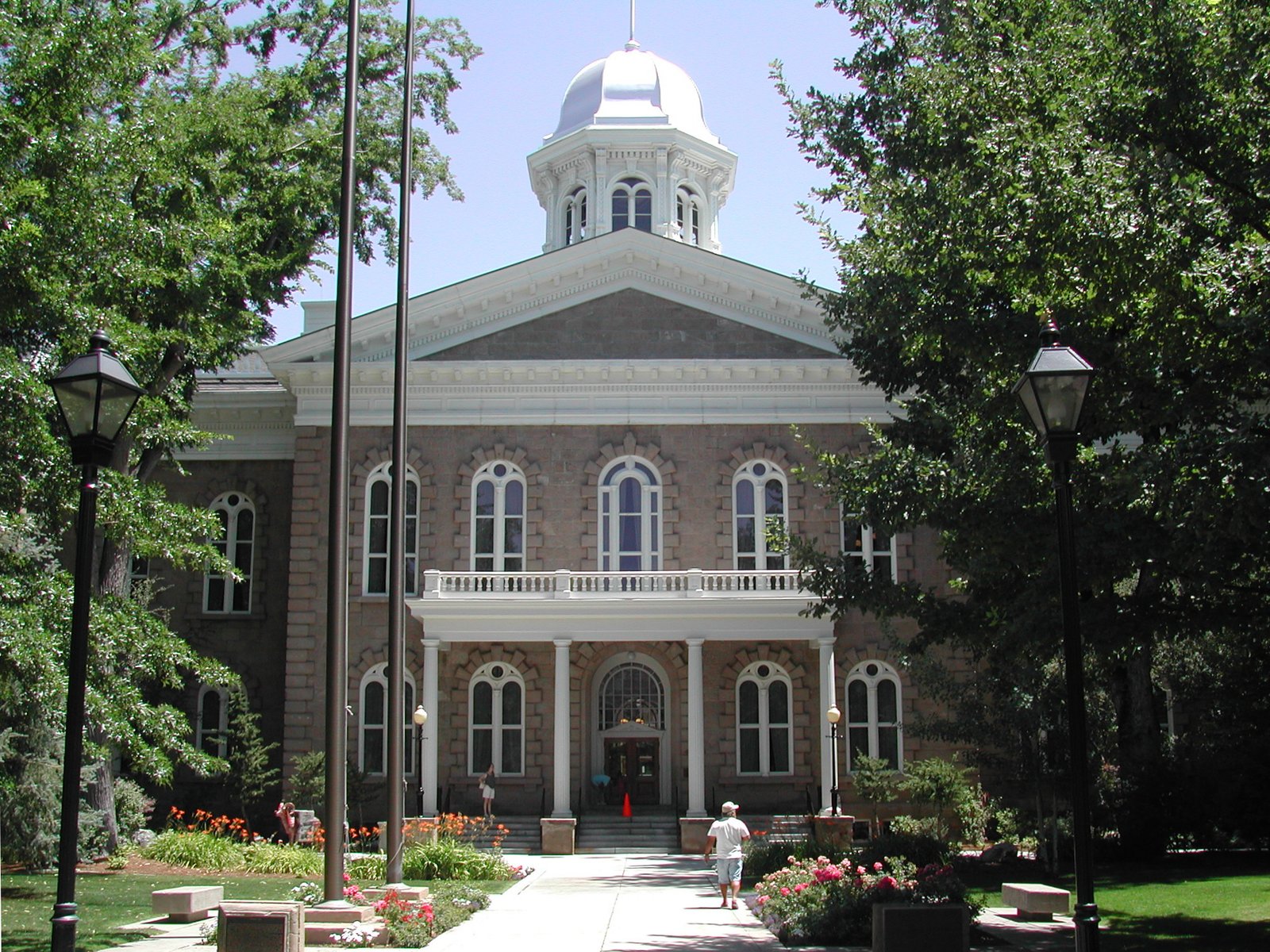
Image credit: Nevada State Capitol image by OK-59, via Wikimedia Commons, licensed under CC BY 2.0.