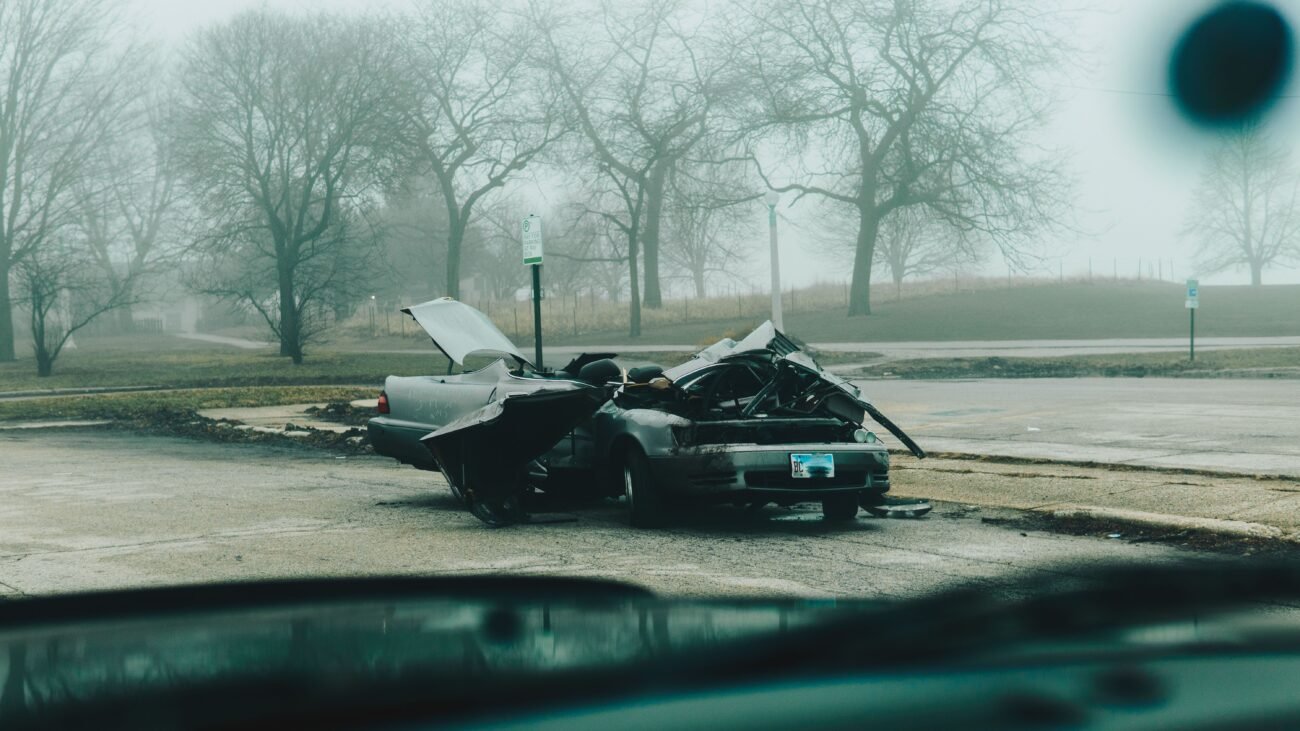
If another driver hits you and leaves in California, get to safety, call 911 if anyone is injured or in danger, report the crash to police, and notify your insurer promptly. If you are hurt and the driver cannot be identified, California’s uninsured-motorist law has a particularly important rule: the accident generally must be reported to police within 24 hours, and a sworn statement must be filed with the insurer within 30 days after that report to pursue certain bodily-injury claims against an unknown driver.
There are separate police, insurance, and DMV requirements. Completing one does not automatically satisfy the others.
Quick checklist: What to do after a hit-and-run
- Move to a safe place and call 911 for injuries, immediate danger, or other emergencies.
- Report the hit-and-run to the police or California Highway Patrol as soon as possible.
- Write down every detail you remember about the vehicle and driver, including a partial plate number, color, make, direction of travel, and time.
- Photograph your vehicle, the scene, debris, damage, and any visible injuries when it is safe.
- Ask nearby witnesses or businesses whether they saw the crash or have camera footage.
- Notify your insurance company and ask about collision, uninsured-motorist, and medical-payment coverage.
- Check whether you must file a California DMV SR-1 report within 10 days.
- Keep the police report number, medical records, repair estimates, receipts, and all insurance correspondence.
1. Should you call the police after a hit-and-run?
Yes—report it as soon as possible. Tell the responding officer that the other driver left and provide everything you know, even if you only remember part of a license plate or the vehicle’s color. Ask how to obtain the report number and a copy of the report when available.
California’s uninsured-motorist statute contains a specific reporting condition for bodily-injury claims when the owner or operator of the vehicle is unknown. The accident must be reported within 24 hours to the police department of the city where it happened or, in unincorporated territory, to the sheriff or local CHP headquarters. The law also requires a statement under oath to be filed with the insurer within 30 days after the police report. See California Insurance Code § 11580.2(b), (c).
Those are important deadlines for a particular type of uninsured-motorist bodily-injury claim—not a general rule that every hit-and-run claim has exactly the same deadline. Contact your insurer promptly and ask what rules apply to your policy and circumstances.
2. What if you only have part of the license plate number?
Report what you have. A partial plate, vehicle color, approximate model, direction of travel, time, intersection, or description of the driver may still help investigators. Do not delay making a report because you do not have every detail.
As soon as practical, make a written timeline while your memory is fresh. Note where the vehicles were, what you heard or saw, whether anyone spoke to you, and whether the other vehicle stopped briefly before leaving. Keep the notes factual and separate what you personally saw from what someone else told you.
3. Can you use your own insurance after a hit-and-run?
Possibly. The answer depends on the coverages you purchased, the type of loss, and the facts of the crash.
| Coverage | What it may help pay | What to check |
|---|---|---|
| Uninsured-motorist bodily injury | Eligible injury-related damages when an uninsured driver caused the crash, subject to statutory and policy requirements. | Whether you have the coverage, policy limits, proof requirements, and deadlines. Special rules apply when the driver is unknown. |
| Collision | Repair or replacement of your vehicle after a covered collision. | Your deductible, vehicle valuation, and any policy conditions. |
| Medical payments coverage | Eligible medical expenses under the policy. | Coverage limits and which people or expenses qualify. |
| Health insurance | Medical treatment covered by your health plan. | Deductibles, network rules, and any reimbursement or subrogation rights. |
California Insurance Code § 11580.2 governs uninsured-motorist bodily-injury coverage and permits certain written agreements to delete or reduce that coverage. The statute generally does not make uninsured-motorist bodily-injury coverage the same as property-damage coverage. Ask your insurer to identify the exact coverage that applies to each part of your loss.
The California Department of Insurance’s accident guide explains why you should notify your insurer promptly, preserve documentation, and review your policy rather than assume every loss is covered.
4. Why physical contact can matter when the driver is unknown
California Insurance Code § 11580.2 includes specific conditions for treating a vehicle with an unknown owner or operator as an uninsured motor vehicle for bodily-injury coverage. Among them, the injury generally must arise from physical contact between the unknown vehicle and you or the vehicle you were occupying. The statute also contains the 24-hour police-report and 30-day sworn-statement requirements described above.
This is a technical insurance rule, and the exact facts and policy wording matter. If another vehicle forced you off the road without touching you, do not assume that an uninsured-motorist bodily-injury claim will be covered—or that it is necessarily impossible. Report the incident, preserve evidence, and ask your insurer to explain its decision in writing. Consider getting advice from a California attorney if you are injured or the insurer disputes coverage.
5. Do you need to file a DMV SR-1 report?
California requires a Report of Traffic Accident Occurring in California (SR-1) within 10 days when the crash caused an injury or death, or property damage over $1,000. The rule applies regardless of who caused the crash. A police report or insurance claim does not replace the SR-1.
You can review the requirements and file through the California DMV’s official accident-reporting page. Gather your driver’s license information, vehicle details, insurance information, and information about the other party if available. If you are unsure whether the threshold applies, check the DMV instructions promptly.
6. What evidence should you save?
- Police report number and any report or incident card you receive.
- Photos of the vehicle damage, debris, road layout, and visible injuries.
- Dashcam, nearby surveillance, or other video information—ask promptly because recordings may be overwritten.
- Witness names, contact information, and short notes about what each person saw.
- Medical records, bills, prescriptions, and follow-up instructions.
- Repair estimates, towing and storage charges, and rental-car receipts.
- Proof of missed work or other financial losses, if relevant.
- Your policy declarations, claim number, insurer letters, emails, and call notes.
Keep the original files when possible. Do not trespass or put yourself in danger to obtain video, and do not edit images in a way that changes the evidence.
7. What if you were injured?
Get medical care and follow the treatment plan. Save records of symptoms, appointments, prescriptions, travel to treatment, and time missed from work. Tell medical providers accurately what happened and when symptoms began.
If you plan to seek uninsured-motorist bodily-injury benefits for a hit-and-run involving an unknown driver, do not miss the special statutory reporting steps. Under § 11580.2, the police report within 24 hours and sworn insurer statement within 30 days can be critical. Also ask the insurer about any additional policy deadlines or forms. These insurance requirements are separate from any deadline for filing a lawsuit.
8. What mistakes should you avoid?
- Waiting to report the crash: Delay may make it harder to identify the driver and can jeopardize a claim subject to short reporting rules.
- Assuming the police report completes every requirement: The DMV SR-1 and insurance notice may be separate tasks.
- Failing to preserve video evidence: Nearby businesses may erase footage quickly. Ask promptly and record who you contacted.
- Assuming all insurance covers the same losses: Vehicle repairs, bodily injury, and medical bills may be handled under different coverage provisions.
- Giving up because the driver is unknown: Report the crash and ask your insurer to review all potentially applicable coverage.
- Accepting a settlement without understanding the release: Make sure you understand what claims or future payments you may be giving up.
- Ignoring deadlines: The police-report rule, DMV SR-1 deadline, policy requirements, and any lawsuit limitation period are different. Track each one.
Frequently asked questions
What if the hit-and-run driver is never found?
You may still have options under your own policy, including collision coverage for vehicle damage and potentially uninsured-motorist bodily-injury coverage. Coverage depends on your policy, the evidence, and applicable requirements.
How long do I have to report a California hit-and-run?
Report it to police as soon as possible. If the unknown driver’s conduct is the basis for an uninsured-motorist bodily-injury claim, California law includes a 24-hour police-report requirement and a sworn statement to the insurer within 30 days after that report. A separate SR-1 may be due to the DMV within 10 days if the crash caused injury or death or property damage over $1,000.
Will my insurance pay if the other driver left the scene?
It may, depending on whether you have collision, uninsured-motorist, or medical-payment coverage and whether you meet the relevant conditions. Ask your insurer to explain the decision and any missing evidence in writing.
Do I still need to report the accident if the damage seems minor?
Reporting can help preserve evidence and may be necessary for insurance purposes. California’s SR-1 threshold is injury or death, or property damage over $1,000. When uncertain, check the official DMV instructions and your policy.
Can I make a claim if the other car hit me but there was no contact with the driver?
You can report the incident and ask your insurer to review it, but California’s unknown-driver rule for uninsured-motorist bodily-injury coverage generally requires physical contact with the unknown vehicle and also has specific reporting requirements. Other coverages may be evaluated under different terms.
Official sources and further reading
- California Insurance Code § 11580.2 — Uninsured-motorist coverage
- California Vehicle Code § 20001 — Accidents involving injury or death
- California Vehicle Code § 20002 — Accidents involving property damage
- California DMV — SR-1 accident report
- California Department of Insurance — So you’ve had an accident
Related KYSL guide: What should you do after a motorcycle accident in California?
Legal information disclaimer: This article provides general educational information, not legal advice. Policy terms and facts differ, and legal requirements can change. Review current California law and your insurance policy, and consider speaking with a licensed California attorney about an injury or disputed claim.

One thought on “What Should You Do After a Hit-and-Run in California?”
Comments are closed.