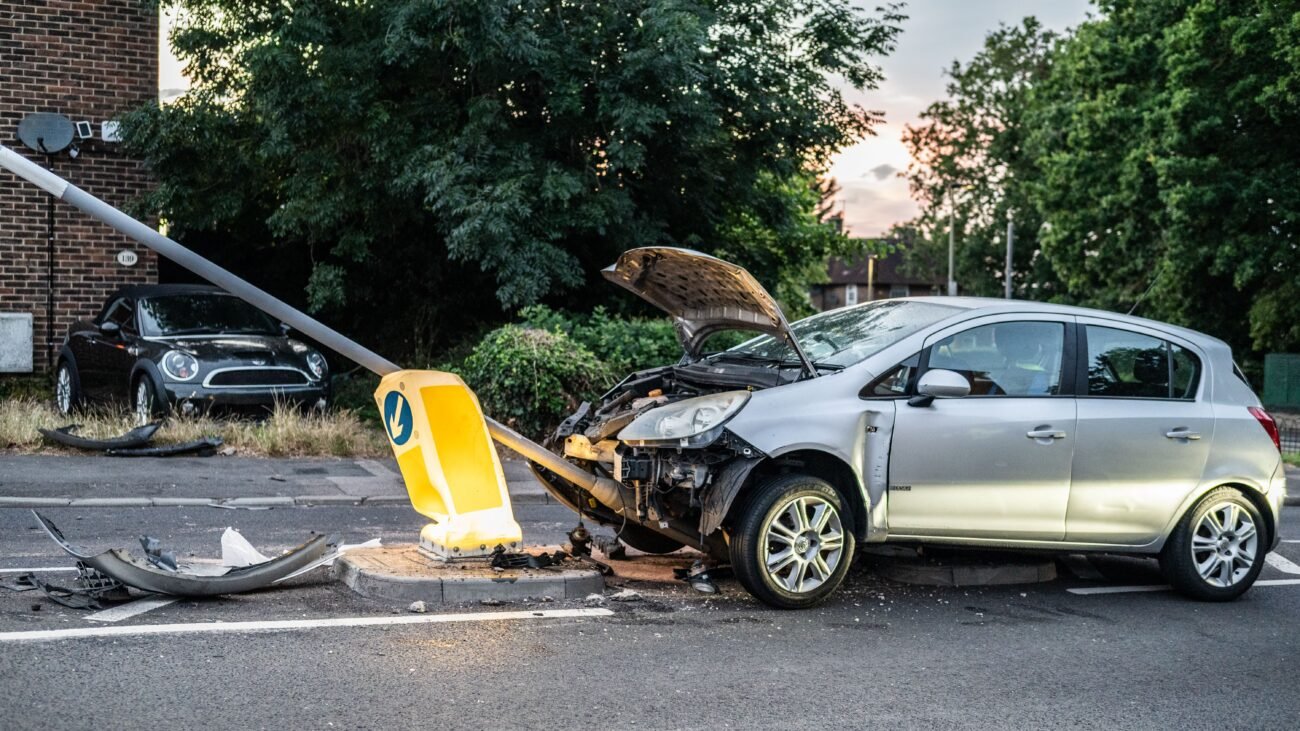
If an insurer says your car is a total loss in California, the settlement is generally based on the vehicle’s fair market value immediately before the crash—not simply the amount you originally paid or still owe on a loan. If the offer seems too low, ask for the valuation report, check the comparable vehicles, and send evidence of your car’s actual pre-crash condition and equipment.
This guide explains how total-loss value works, what costs should be considered, how to challenge a low offer, and what happens if you still owe money on the car.
Quick answer: How is a totaled car valued?
California’s Department of Insurance says actual cash value generally means fair market value unless the policy defines it differently. The settlement should reflect a comparable vehicle of like kind and quality. For a total loss, the insurer’s settlement generally must also include applicable taxes, license fees, and transfer fees. Review the insurer’s written valuation and your policy before accepting an offer. California Department of Insurance guidance explains these principles.
1. What does “total loss” mean?
A car is generally treated as a total loss when it cannot be repaired or restored to its pre-loss condition without unreasonable cost, or when the repair cost makes repairing it uneconomical under the applicable rules and policy. A car can be declared a total loss even if it still runs.
The insurer will usually review repair estimates and the vehicle’s value before the crash. If the vehicle is repairable and the cost is lower than its actual cash value, the claim may instead be handled as a repair claim. The precise decision depends on the facts, applicable requirements, and policy.
2. Which factors affect your car’s value?
The insurer should value the vehicle as it was immediately before the loss. Relevant factors may include:
- Year, make, model, trim, and body style.
- Mileage and pre-crash condition.
- Factory-installed options and equipment.
- Documented upgrades or additional equipment, subject to policy terms.
- Local market prices for genuinely comparable vehicles.
- Prior damage or condition issues that existed before the accident.
Do not rely only on a generic online price estimate. A fair comparison should use vehicles that are similar in model, trim, year, mileage, condition, and equipment, and should account for the local market. Keep receipts and service records that support your vehicle’s condition or installed options.
3. What should a total-loss settlement include?
For a covered total loss, California Department of Insurance guidance says the settlement must reflect the value of a comparable vehicle of like kind and quality and include taxes, license, and transfer fees. The actual payment can also be affected by your policy, deductible, any lien on the car, and whether you keep the salvage.
Ask the adjuster to provide an itemized written valuation showing:
- The vehicle details used to calculate value, including trim and mileage.
- The comparable vehicles and any adjustments made to them.
- Any deductions for prior damage, condition, or options.
- The base actual cash value and applicable taxes and fees.
- Any deductible or salvage deduction, with an explanation.
- The final settlement amount and any documents needed to transfer the title.
If you do not understand a deduction, ask the insurer to explain it in writing before you agree to the settlement.
4. What if the insurance company’s offer is too low?
You can challenge the valuation. Start with a calm, specific written response. Rather than saying only that the offer is unfair, identify the exact facts or calculations you believe are wrong.
- Request the complete valuation report. Ask which data, comparable cars, options, mileage, and condition ratings were used.
- Check your vehicle details. Correct errors in trim, options, mileage, condition, or prior damage.
- Find comparable vehicles. Collect listings for the same or very similar model, trim, year, and mileage in your area. Save the URL, date, price, and screenshots.
- Document condition and equipment. Use service records, purchase documents, receipts, and photos taken before the crash.
- Ask for a revised valuation. Send a short list of errors with supporting evidence and request a written response.
- Review the policy’s appraisal provision. Many standard policies have an appraisal process for disputes about the amount of a total-loss settlement. Read the wording and any deadline before invoking it.
The California Department of Insurance’s automobile claims mediation information explains appraisal as a process that may help resolve a dispute about actual cash value or replacement cost. Your policy determines how the provision operates.
5. Is appraisal the same as filing a complaint?
No. An appraisal provision generally addresses a disagreement about the amount of the loss, such as the value assigned to the vehicle. A complaint to the California Department of Insurance asks the regulator to review a concern about an insurer’s conduct or compliance.
Read the policy before requesting appraisal because it may require you to choose an appraiser, share certain costs, or follow a specific process. If you believe the insurer has not followed California claim-handling rules, review the Department’s consumer guidance and complaint options. A regulator may review the insurer’s conduct, but a complaint does not guarantee that the offered value will be changed.
6. What if you still owe money on the totaled car?
Your car loan does not disappear because the vehicle was totaled. If the settlement is less than the remaining loan balance, you may still owe the difference unless another contract or coverage—such as applicable gap coverage—pays it.
For example, if your lender says you owe $19,000 but the covered settlement after applicable deductions is $15,500, there may be a $3,500 shortfall. This is only an illustration; the actual figures depend on the loan payoff, settlement calculation, deductible, and coverage. Ask the lender for a current payoff amount and ask the insurer how payment will be issued. If you purchased gap coverage, contact that provider promptly and review the contract’s conditions.
7. Can you keep the totaled car?
In some situations you may be able to retain the salvage, but the settlement is usually adjusted to account for the salvage value and separate title or registration requirements may apply. Keeping the car may also mean paying for repairs, inspections, and any required branding or registration steps before it can be driven again.
Before choosing this option, ask the insurer and the California DMV what paperwork and restrictions apply. Compare the reduced settlement with the likely repair cost and the vehicle’s future resale value. Do not assume that a car can immediately return to the road after a total-loss settlement.
8. What documents should you keep?
- The insurer’s valuation report and all settlement offers.
- Photos of the vehicle before the crash, if available.
- Purchase documents, maintenance records, and receipts for equipment.
- Comparable vehicle listings and screenshots with dates.
- Repair estimates and any inspection reports.
- Your insurance policy, declarations page, and claim correspondence.
- Your lender’s payoff statement and any gap-coverage documents.
Keep copies of all submissions and send valuation disputes in writing. If you discuss the claim by phone, follow up with a brief email summarizing what was discussed.
Frequently asked questions
Does California use the price I paid for the car?
Usually, the key measure is the vehicle’s fair market value immediately before the loss, not the original purchase price. A recent purchase invoice may help document the vehicle and its condition, but it does not automatically determine the settlement amount.
Does the insurer have to include taxes and fees?
California Department of Insurance guidance says a total-loss settlement must include applicable taxes, license, and transfer fees. Ask for an itemized breakdown and check how the insurer applied the rule to your claim.
Can I reject a total-loss offer?
You can dispute the amount and provide evidence supporting a different valuation. Review your policy, ask for the full valuation report, and consider the appraisal process if your policy provides one. The result depends on the evidence and applicable terms.
Will the insurer pay off my entire car loan?
Not necessarily. The settlement is generally based on the covered value of the vehicle, not the amount of your loan. If you owe more than the settlement, you may remain responsible for the shortfall unless applicable gap coverage or another arrangement covers it.
Where can I get help with a disputed settlement?
Review the California Department of Insurance’s consumer guidance and complaint resources. If the dispute is substantial or the policy language is unclear, consider speaking with a California insurance-claims attorney.
Official sources and further reading
- California Department of Insurance: So you’ve had an accident
- California Department of Insurance: Automobile claims mediation and appraisal
- California Department of Insurance: Automobile insurance terms
- California DMV: Vehicle titles
Related KYSL guides: What should you do after a hit-and-run in California? and What should you do after a motorcycle accident in California?
Legal information disclaimer: This article provides general educational information, not legal advice. Policy language and claim facts differ. Verify current California requirements and consider consulting a licensed California attorney about a disputed settlement.
