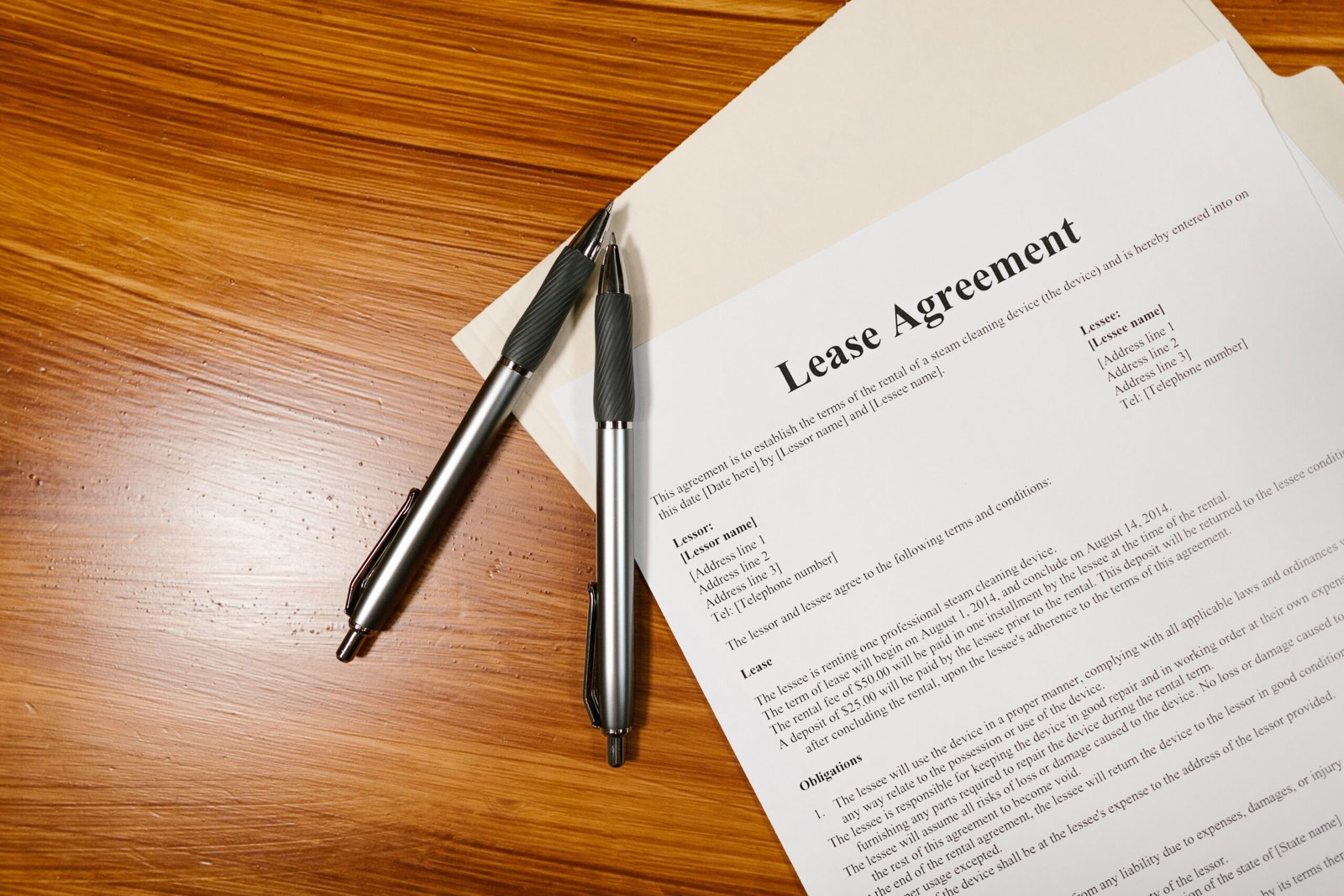
Signing a lease can feel like a routine step, but it is really a written plan for how a landlord and tenant will live and work together. A good Texas residential lease agreement explains what each person must do, what the tenant can expect, and what happens when something goes wrong.
This guide explains the most important terms to review before signing a Texas residential lease. It is written in plain language, but Texas rules can depend on the property, the lease wording, and the facts of a dispute.
What Is a Texas Residential Lease Agreement?
A residential lease is an agreement between a landlord and tenant concerning the use of a home or apartment. Texas law recognizes both written and oral rental agreements, but a written lease is usually safer because it gives both sides something clear to refer to later.
The Texas Attorney General advises renters to read the rental agreement carefully because the lease is often the most important source of information about the landlord-tenant relationship. Texas Property Code Chapter 92 also establishes rules that apply to residential tenancies.
Important Terms Every Lease Should Explain
1. Names and property details
The agreement should identify the landlord, tenant, rental address, and any included parking space, storage area, or shared facility. If more than one adult is signing, make sure the lease explains whether each tenant is individually responsible for the full rent or only a share.
2. Rent and payment rules
Check the monthly rent, due date, accepted payment methods, late fees, returned-payment fees, and where payment must be sent. Do not rely on a verbal promise that contradicts the written lease. If the landlord agrees to a special arrangement, such as a different due date or a pet exception, have it written into the agreement.
3. Lease length and renewal
A lease should state its start date and end date. It should also explain whether it renews automatically, converts to month-to-month tenancy, or ends unless the parties sign a new agreement. Notice requirements may depend on the lease. Texas law does not set one universal notice period for every non-month-to-month lease, so the wording matters.
4. Security deposit
The lease should state the security deposit amount and explain permitted deductions, move-out procedures, and the address where the tenant should provide a forwarding address. Texas Property Code Section 92.103 generally requires a landlord to return a security deposit within 30 days after the tenant surrenders the property, subject to statutory conditions and exceptions.
5. Repairs and maintenance
Clarify how tenants report repairs, who handles routine maintenance, and which conditions may be charged to the tenant. Texas law places certain repair duties on landlords, especially when a condition materially affects an ordinary tenant’s physical health or safety. A lease cannot simply erase every statutory right or duty.
6. Utilities, pets, and occupancy
Make sure the agreement identifies who pays for electricity, water, gas, trash, internet, and other services. It should also state pet rules, guest limits, smoking restrictions, and who is allowed to live in the property. These details can prevent disagreements later.
Can a Landlord and Tenant Change a Lease?
Yes, the parties can often agree to changes, but important changes should be written and signed or initialed by both sides. For example, if a landlord allows a pet despite a general no-pet rule, the permission should be documented. Avoid relying only on text messages or informal conversations when the change affects rent, repairs, occupancy, or termination.
What Should You Check Before Signing?
- Read every page, including addenda and community rules.
- Confirm the exact rent, deposit, fees, and due dates.
- Ask who pays each utility and handles each repair.
- Inspect the property and document existing damage with dated photographs.
- Understand early-termination, renewal, and notice provisions.
- Keep a complete signed copy of the lease and all written communications.
Create a Residential Lease Agreement Online
If you are preparing a lease, using a structured form can help you organize key terms instead of starting with a blank page. Create a Texas residential lease agreement with LawDepot and review each provision carefully before signing. A form can help with organization, but it does not replace legal advice for unusual or high-risk situations.
Affiliate disclosure: We may earn a commission if you use a LawDepot link on this page, at no additional cost to you.
Final Takeaway
A lease should not be treated as paperwork to sign quickly. It is the document that explains the rental relationship. Read it carefully, get important promises in writing, and seek qualified legal advice if a clause is unclear or conflicts with Texas law.
Legal disclaimer: This article provides general legal information, not legal advice. Laws and lease requirements can change, and local rules or individual facts may affect your situation. Consider consulting a qualified Texas attorney or an appropriate legal-aid organization for advice about your circumstances.